
What is Tennis Elbow?

TRUE TENNIS ELBOW
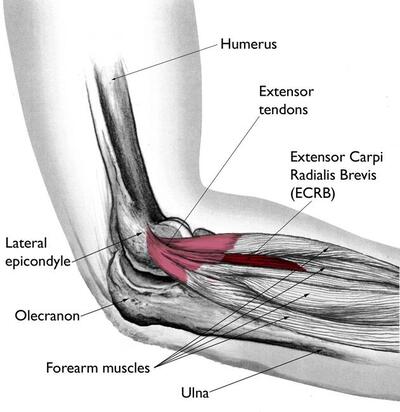
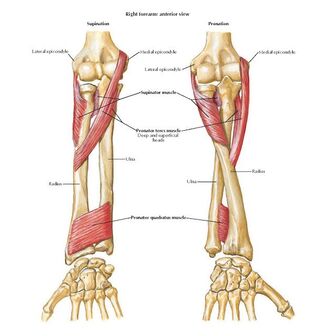
TRUE tennis elbow occurs when there is injury or inflammation of the extensor muscles in the forearm. In most cases, the Extensor Carpi Radialis Brevis is involved. It is due to overuse of the forearm extensor muscle (such as in racquet sports) or due to eccentric overload of the tendon secondary to forearm muscles tightness.
- Stiffness in morning
- Pain in the outer aspect of the elbow
- Pain with resisted wrist extension
- Pain with gripping activities
- Decreased grip strength
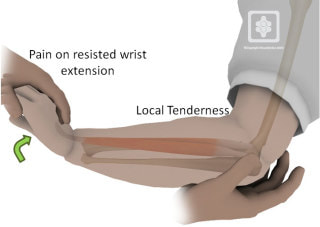
What are the common tests used to identify true tennis elbow?
- cepack & compression to reduce inflammation
- Myofascial release of the both forearm muscles
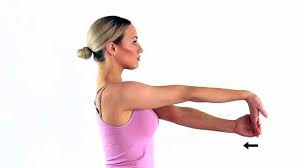
- Stretching exercises to reduce forearm muscle tightness
- Stretching exercises to prevent scar formation of extensor muscles
- Strengthening exercises for the forearm muscles to allow the tendons to withstand load during functional activities better (30% loading phase)

FALSE tennis elbow
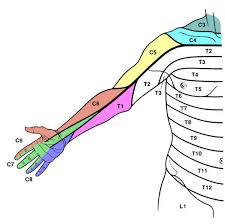
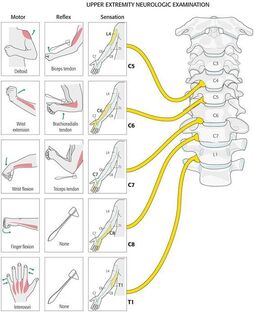
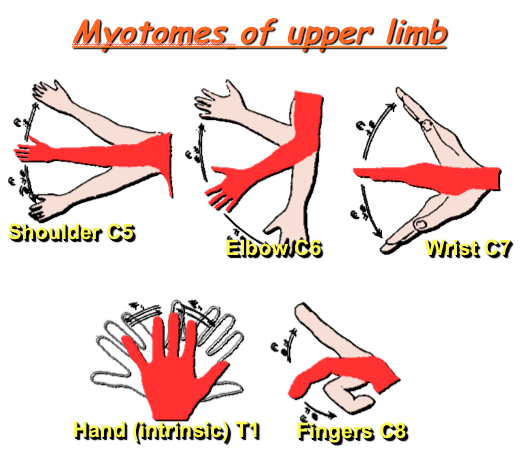
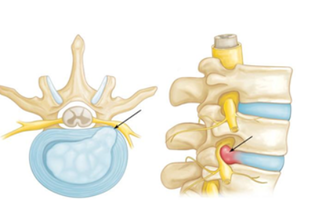
- Referral pain down the arm near the lateral epicondyle of humerus, which can easily be mistaken as tennis elbow.
- Numbness and tingling sensation in the arm, forearm, and hand.
- Weakness of the arm, forearm muscles, thumb, index finger, and middle finger.
- Negative resisted wrist extension test
- Cervical joint assessment (check for stiffness/pain/improper movement pattern)
- Tightness in the neck and shoulder muscles
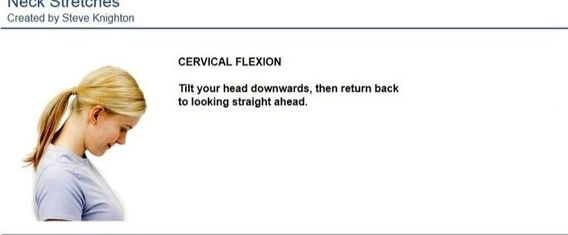
- Stretching exercises for neck such as cervical flexion, cervical rotation, cervical side bend, upper trap and levator stretch
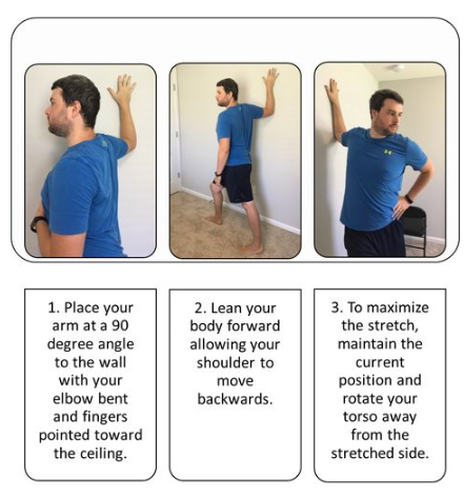
- Stretching exercises for shoulder such as chest stretching
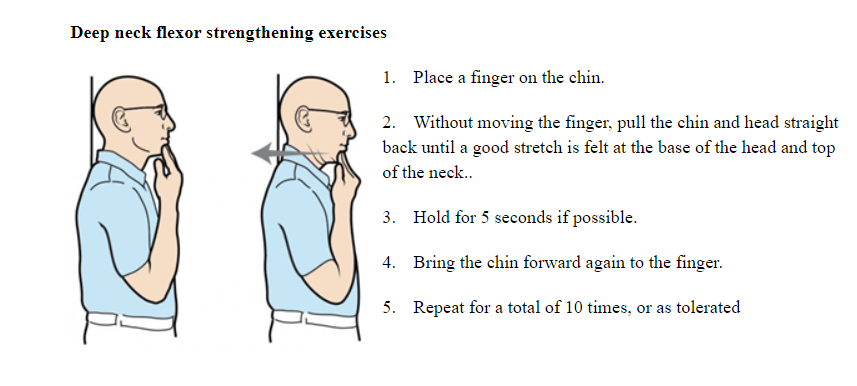
- Chin tuck strengthening exercise
- Ligamentous instability
- Intra-articular pathology (Elbow joint movement dysfunction)
- Posterior interosseous nerve entrapment
- Posterior interosserous nerve entrapement
- Radial nerve injury
- Shoulder injuries

Make appt now at https://www.sweetpew.com/en/my/search?s=benphysio to get problem fixed.
Location:
Benphysio @ Oval Damansara
📞 016-390 2015 | WhatsApp
📍 Unit 2-1 & 2-2, 2nd Floor, Oval Damansara
Benphysio @ Puchong
📞 010-253 2015 | WhatsApp
📍 40-G, Jalan Puteri 1/2, Bandar Puteri
Benphysio @ Bangsar
📞 010-263 2015 | WhatsApp
📍 17, Persiaran Ara Kiri, Lucky Garden, Bangsar
Benphysio @ KL Ampang
📞 010-283 2015 | WhatsApp
📍 Lot G.09, Ground Floor, The Grange @ Ampwalk
Benphysio @ Cheras
📞 010-287 2015 | WhatsApp
📍 213, Jalan Sarjana, Taman Connaught
Benphysio @ Kota Damansara Giza
📞 016-439 2015 | WhatsApp
📍 C-11-G, Sunway Giza Mall, Dataran Sunway, Kota Damansara
Benphysio @ Puncak Alam
📞 016-732 2015 | WhatsApp
📍 No. 25, Jalan Niaga Bestari 7, Puncak Bestari, 42300 Puncak Alam, Selangor
Benphysio @ Ayer Keroh Melaka
📞 018-985 2015 | WhatsApp
📍 No. 1, Pusat Komersial, C-G-9, Jalan Pkak 1, 75450 Ayer Keroh, Melaka
Benphysio @ Mount Austin Johor
📞 018-288 2015 | WhatsApp
📍 Room 15, Nook Workspace•Storage Mount Austin, 117, Jalan Mutiara Emas 10/19, Taman Mount Austin, 81100 Johor Bahru, Johor Darul Ta'zim
May 07,2021